





How to Pick the Best Headphones for Your Ears
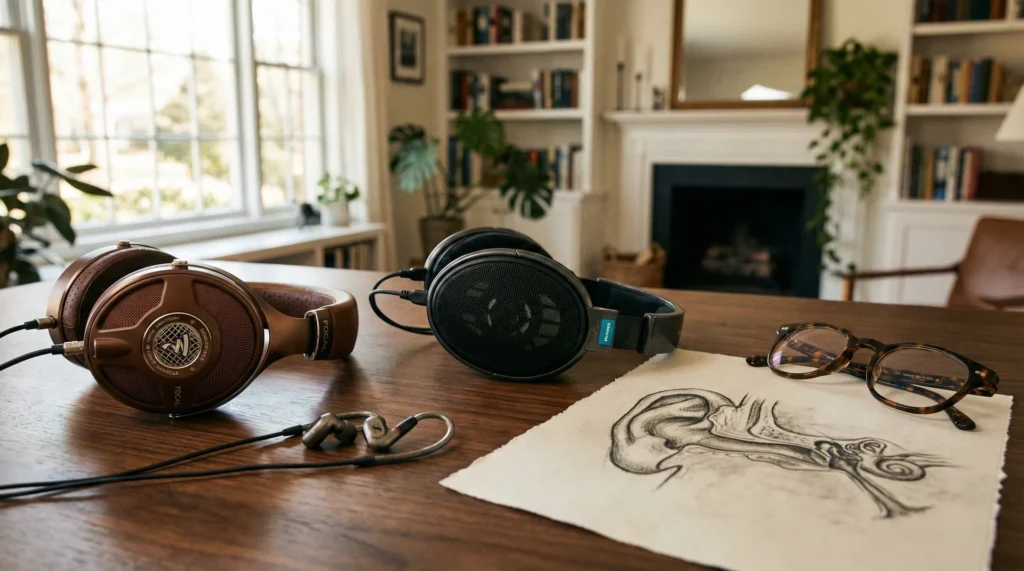
Have you ever bought a pair of highly-rated headphones only to find that within thirty minutes, your ears feel like they’ve been in a vice grip? Or perhaps the sound just didn’t 'pop' the way you expected after reading dozens of glowing reviews? Finding the perfect set of cans is a deeply personal journey because, quite literally, no two pairs of ears are the same. From the physical shape of your ear canal to the way your brain processes specific frequencies, what sounds like a symphony to one person might sound like a muddy mess to another.
In this comprehensive guide, we are going to move past the marketing jargon and help you understand how to pick headphones that actually suit your anatomy, your lifestyle, and your musical tastes. Whether you are a budding audiophile or someone just looking for a reliable pair for the morning commute, choosing the right gear requires a balance of science, ergonomics, and a bit of trial and error.
The Three Main Categories: Which Style Fits Your Life?
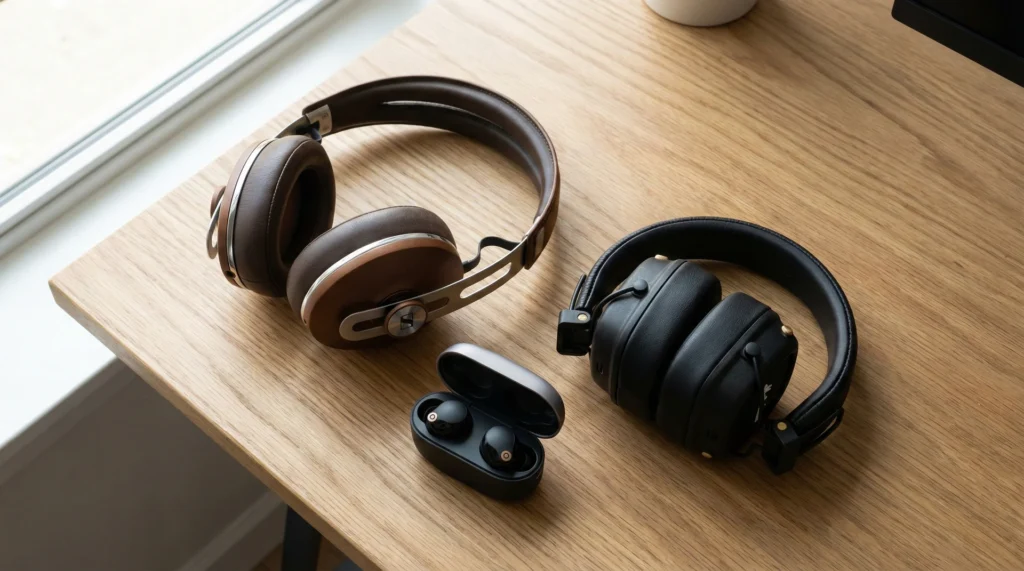
Before you dive into the technical specifications like frequency response or driver size, you need to decide on the form factor. The three main categories—over-ear, on-ear, and in-ear—each offer a fundamentally different listening experience and physical sensation.
Over-Ear Headphones (Circumaural)
Over-ear headphones are the heavyweights of the audio world. They feature large cups that completely surround your ears. Because they seal against the skull rather than the ear itself, they are often the most comfortable for long-form listening sessions, such as gaming or office work. They also tend to have the largest drivers, which generally equates to a better soundstage—the sense of space and distance in your music.
On-Ear Headphones (Supra-aural)
On-ear models sit directly on the cartilage of your ears. They are usually more compact and portable than over-ear models, making them a favorite for commuters. However, they can be polarizing. Because they press directly on the ears, they can cause 'ear fatigue' or soreness after an hour or two. If you have sensitive ears or wear glasses, you’ll want to pay extra attention to the cushion quality of these models.
In-Ear Monitors and Earbuds
In-ear monitors (IEMs) fit inside the ear canal, while traditional earbuds sit just outside it. These are the kings of portability and noise isolation. Because they create a physical seal in your ear canal, they are excellent at blocking out the world. However, finding the right 'tip' is crucial here. If the tip is too small, you lose all the bass; if it’s too large, it’s painful. Many modern IEMs come with a variety of silicone and memory foam tips to ensure a custom-like fit.
Understanding Ear Anatomy and Physical Comfort
Comfort is subjective, but it is driven by objective physics. When you're picking headphones, you have to consider how they interact with your unique anatomy. If a pair of headphones sounds like heaven but feels like a headache, you’ll never use them.
Dealing with Clamping Force
Clamping force is the pressure the headband exerts to keep the earcups against your head. Too little, and the headphones slide off when you tilt your head; too much, and they cause pressure headaches. Most studio-grade headphones have a higher clamping force to ensure a good seal, but many consumer models are designed to be 'lighter' on the head. If you have a larger head, look for headphones with adjustable metal bands that can be slightly 'massaged' to loosen the grip over time.
Ear Pads and Material Choices
The material touching your skin matters. Protein leather (synthetic) is common because it’s easy to clean and provides a good seal for bass, but it can make your ears sweaty. Velour or fabric pads breathe better but can sometimes 'leak' sound and soften the bass response. For those who live in warmer climates, look for cooling gel-infused pads which can be a total game-changer during summer months.
The Challenge for Glasses Wearers
If you wear glasses, you know the struggle. Thick headphone pads can press your glasses' arms into your temples. Look for 'glasses-friendly' designs or headphones with high-quality memory foam that can contour around the arms of your frames without breaking the acoustic seal. Many reviewers specifically mention 'glasses comfort,' so keep an eye out for that feedback.

Decoding Sound Signatures
Every pair of headphones has a 'personality,' often referred to as its sound signature. This is how the headphones emphasize different parts of the audio spectrum—the lows (bass), mids (vocals/instruments), and highs (treble).
The Neutral or Flat Profile
Often preferred by studio professionals, a neutral signature doesn't boost any specific frequency. It plays the music exactly as it was recorded. To the average listener, these can sometimes sound 'boring' or 'thin' at first, but they offer the most accuracy and are great for long-term listening because they don't overwhelm the ears with artificial bass.
The V-Shaped Signature
This is the most popular signature for consumer headphones. It boosts the bass and the treble while slightly receding the mid-range. This creates an 'exciting' and energetic sound that works wonders for hip-hop, EDM, and pop music. It makes the music feel more 'alive,' though it can sometimes mask the fine details in vocal-heavy tracks.
Bass-Forward Profiles
If you live for the thump, you want a bass-forward signature. These are designed to emphasize the low end above all else. While great for certain genres, poor-quality bass-forward headphones can suffer from 'muddiness,' where the bass bleeds into the vocals and makes everything sound like it’s underwater. Look for 'controlled' or 'tight' bass in reviews to avoid this pitfall.
Technical Specs That Actually Matter
Don't let the numbers on the back of the box intimidate you. While many specs are just marketing fluff, a few are vital for ensuring your headphones actually work with your devices.
Drivers: Size Isn't Everything
You’ll often see '40mm drivers' listed as a selling point. While larger drivers can move more air (potentially leading to better bass), the quality of the driver material is more important. A high-quality 30mm driver will outperform a cheap 50mm driver every day of the week. Look for terms like 'Planar Magnetic' or 'Dynamic'—Planar drivers are often found in high-end gear and offer incredible clarity but require more power.
Impedance and Sensitivity
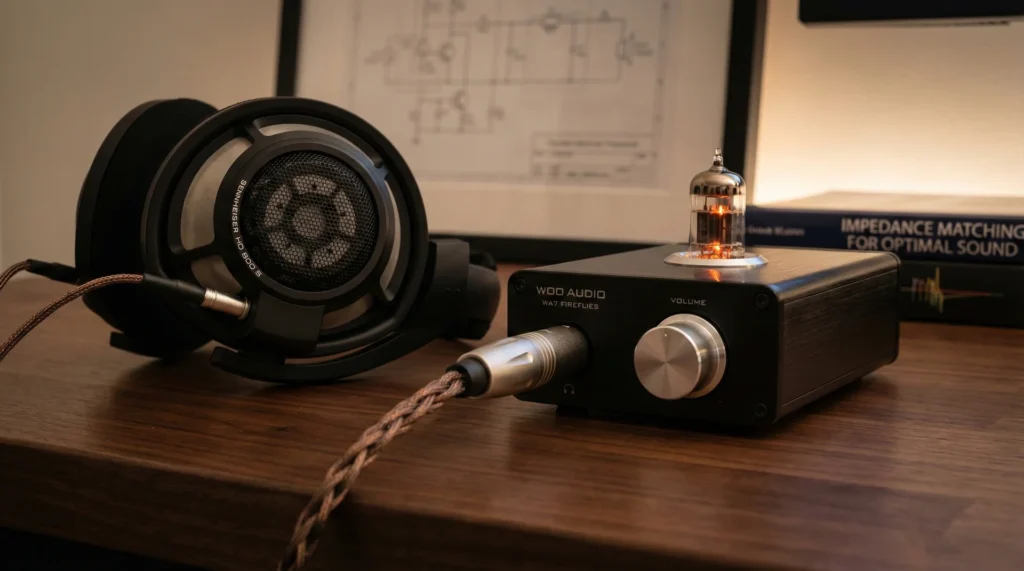
Impedance is measured in Ohms. Low-impedance headphones (under 32 Ohms) are designed to be powered by smartphones and laptops. High-impedance headphones (over 100 Ohms) usually require a dedicated amplifier to sound their best. If you plug high-impedance headphones directly into a phone, the volume will be incredibly low and the sound will lack punch. Always match your headphones to your source gear.
Wireless Convenience vs Wired Reliability
The world is going wireless, but is it right for you? Bluetooth technology has come a long way, but there are still trade-offs to consider.
The Bluetooth Compromise
Modern Bluetooth codecs like LDAC and aptX HD offer near-CD quality audio. However, wireless headphones rely on batteries. If you don't want another device to charge, or if you're worried about the battery degrading over three to five years, wired might be the better choice. Wireless also introduces a tiny amount of 'latency,' which might be noticeable if you're a competitive gamer or a video editor.
Why Audiophiles Still Love Wires
Wired headphones don't require compression to send the signal, meaning you get the purest possible audio. They are also 'plug and play'—no pairing issues, no dropouts, and no batteries. For critical listening at home, a wired connection is still the gold standard for fidelity.
Noise Cancellation and Other Smart Features
Active Noise Cancellation (ANC) is a lifesaver for travelers. It uses microphones to 'listen' to outside noise and then generates an inverted sound wave to cancel it out. However, be aware that cheap ANC can sometimes create a 'pressure' feeling in the ears, often called 'eardrum suck.' High-end models from brands like Sony, Bose, and Apple have mastered this, making the experience much more natural.
Transparency mode is the opposite—it uses those same microphones to let the outside world in, allowing you to have a conversation without taking your headphones off. This is a vital safety feature if you run or bike outdoors while listening to music.

Setting a Realistic Budget
In the world of audio, the law of diminishing returns hits hard. You will see a massive difference between a $20 pair of earbuds and a $150 pair of headphones. You will see a noticeable difference between $150 and $400. However, the jump from $400 to $1,000 is much smaller and usually reserved for enthusiasts who are looking for very specific tonal qualities.
For most people, the 'sweet spot' is between $150 and $300. In this range, you get excellent build quality, great sound signatures, and reliable features like ANC or high-quality wireless codecs. Don't feel pressured to spend thousands; your ears (and your wallet) might not even notice the difference.
Final Verdict: Testing Before You Buy
At the end of the day, no review can replace your own ears. If possible, visit a local electronics store or an audio boutique. Bring your own device and listen to songs you know by heart. Pay attention to how the headphones feel after ten minutes. Do they get hot? Does the headband itch? Is the bass overwhelming the lyrics?
Picking the best headphones for your ears is about finding that perfect intersection of comfort, sound, and utility. Once you find 'the one,' you won’t just be listening to your music—you’ll be experiencing it in a whole new way.