




How to Choose the Perfect Yoga Mat
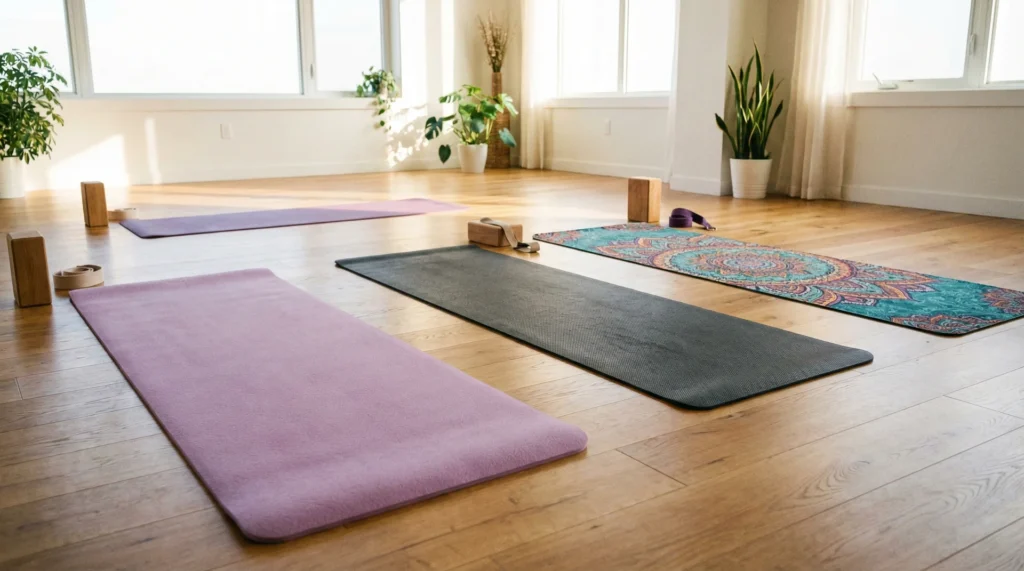
When you first step into a yoga studio, everything feels serene. The soft music, the scent of incense, and the promise of a peaceful hour away from the chaos of daily life. But as soon as you move into your first Downward-Facing Dog, reality hits. Your hands start to slide, your knees feel the hard floor beneath the thin foam, and suddenly, your Zen is gone. This is the moment most practitioners realize that a yoga mat isn't just a floor covering; it is the foundation of your entire practice.
Choosing the right mat is a highly personal journey. What works for a tall power yogi who sweats through every session won't necessarily suit someone focusing on gentle restorative poses or Yin yoga. With hundreds of options on the market, from budget-friendly foam to high-end sustainable rubber, the choices can be overwhelming. This guide breaks down every factor you need to consider to find the mat that will support you for years to come.
Understanding Mat Materials
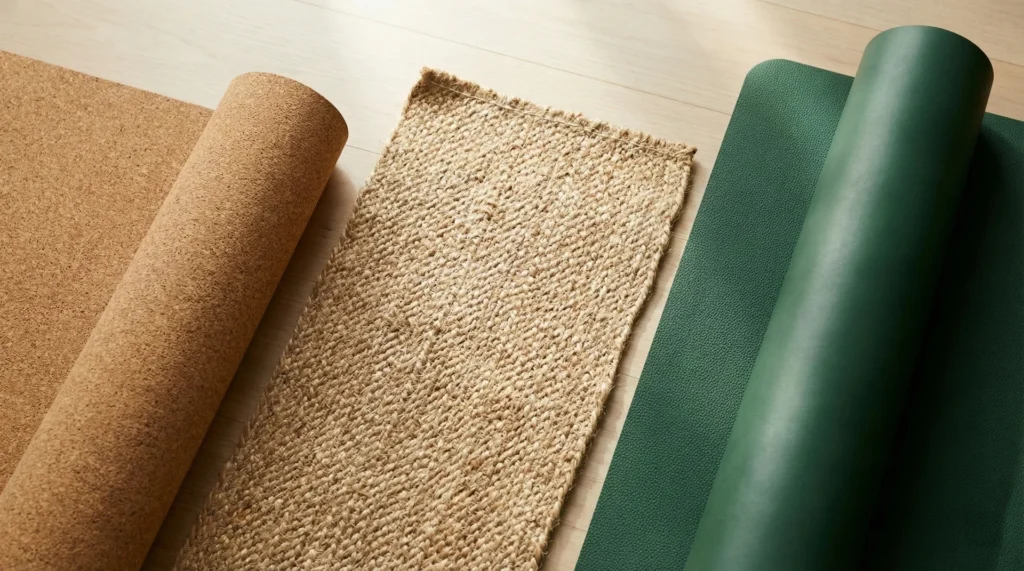
The material of your yoga mat determines its texture, stickiness, eco-friendliness, and how it handles moisture. It is arguably the most important decision you will make. Most mats are made of either PVC (polyvinyl chloride), TPE (thermoplastic elastomer), or natural materials like rubber, cork, and jute.
PVC is the traditional choice. It’s durable, easy to clean, and provides excellent 'stickiness.' However, it is not biodegradable and contains phthalates, which are a concern for many eco-conscious practitioners. If you are looking for longevity and don't mind the synthetic nature, PVC remains a functional choice. On the other end of the spectrum, TPE is a man-made blend that is often more recyclable than PVC and offers a softer feel, though it may not last as many years under heavy use.
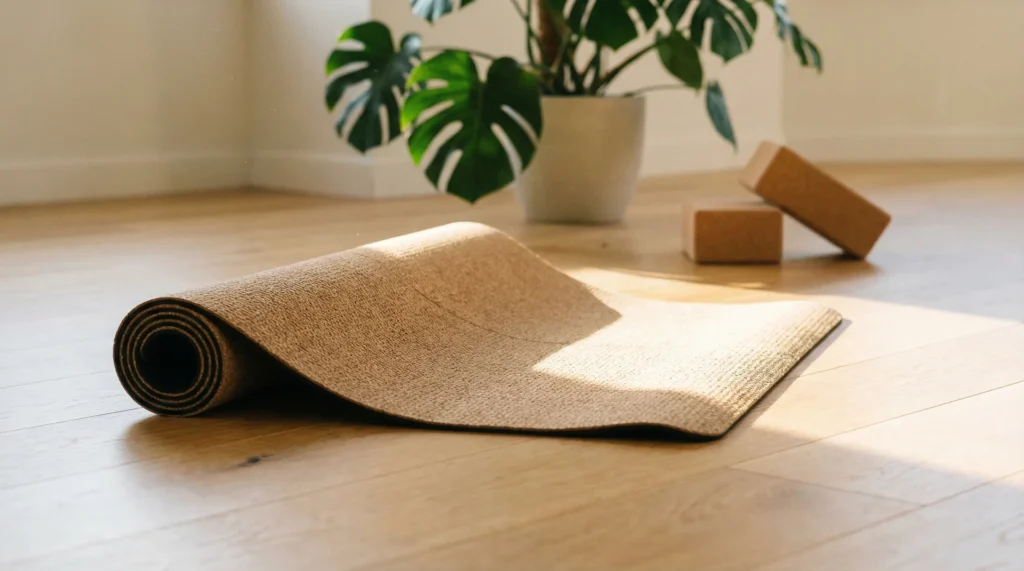
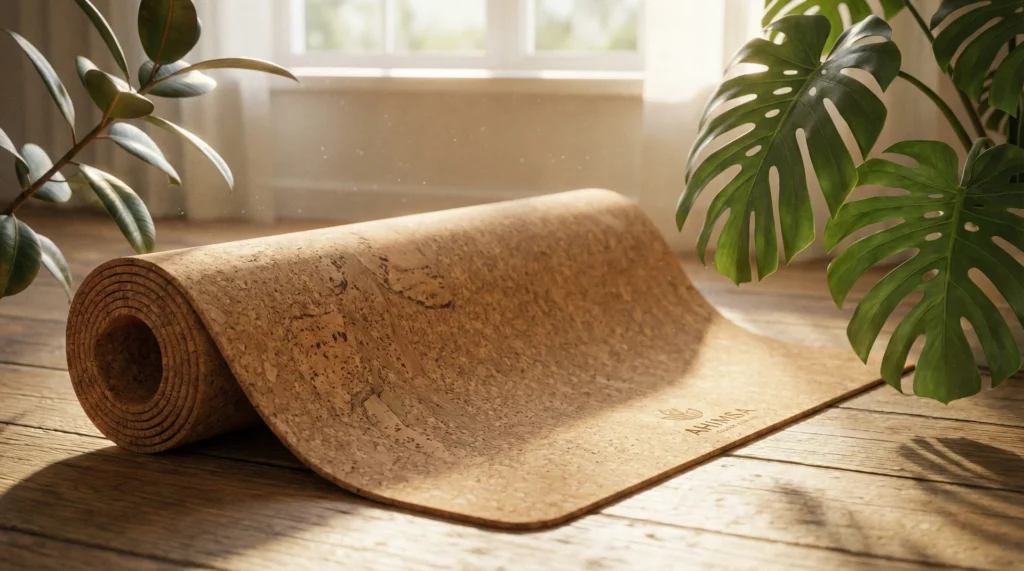
Natural rubber mats are a favorite among many advanced practitioners. They offer incredible grip and a firm, grounded feel. However, they can be heavy and have a distinct 'rubbery' smell when new. Additionally, those with latex allergies must avoid natural rubber. If you’re looking for something unique, cork mats are naturally antimicrobial and actually become grippier as they get wet, making them excellent for those who sweat. Jute mats provide a very grounded, earthy feel and are highly sustainable, though they can feel slightly scratchy against the skin for some. If you are just starting out, you might want to look at the best yoga mats available today to see which materials are leading the industry.
Thickness and Cushioning: Finding the Sweet Spot
Thickness plays a massive role in your comfort level, especially if you have sensitive joints. A mat that is too thin can lead to aching knees during lunges, while a mat that is too thick can make standing balance poses like Tree Pose feel like you’re standing on a giant marshmallow. The standard thickness for a yoga mat is about 1/8 inch (3mm). This provides a solid connection to the floor while offering enough padding for most people.
If you prefer a lot of cushioning, look for a 1/4 inch (6mm) mat. These are fantastic for restorative practices where you spend a lot of time sitting or lying down. They are also a godsend for anyone with previous injuries or joint sensitivity. The downside is that they are heavier to carry to the studio and can feel 'squishy,' which might impede your stability in balance-heavy flows.
For the frequent flyer or the yogi who practices on the go, travel mats are often as thin as 1/16 inch (1.5mm). These are incredibly lightweight and can often be folded into a square rather than rolled, fitting easily into a suitcase. While they offer almost no cushioning, they provide a clean, grippy surface over a studio-provided mat or even a carpeted hotel floor. Balancing these factors is key to choosing from the best yoga mats on the market.
Texture, Stickiness, and Grip
Grip is what keeps you from sliding around during a sweaty Vinyasa class. There are two ways mats achieve this: through 'stickiness' (a suction-like quality) or physical texture. Stickiness is common in PVC mats; it feels slightly tacky to the touch and holds you in place effectively. However, if you sweat a lot, that stickiness can quickly turn into a slip-and-slide situation.
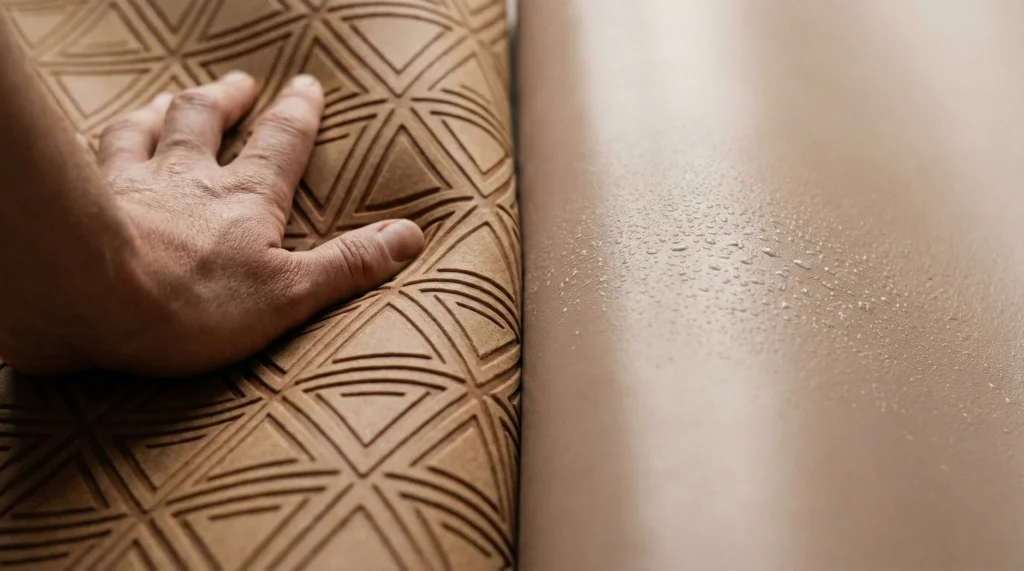
Physical texture is a different approach. Mats made of jute, rubber, or those with embossed patterns provide a tactile surface that your hands and feet can dig into. This is often more reliable for those who tend to get damp during practice. When considering grip, you also need to understand the difference between open-cell and closed-cell mats.
Closed-cell mats do not absorb moisture. This makes them more hygienic and easier to clean, as sweat stays on the surface. However, that surface sweat can make the mat slippery. Open-cell mats act like a sponge, absorbing sweat to maintain grip even in high-heat conditions. While great for hot yoga, they require much deeper and more frequent cleaning to prevent the buildup of bacteria and odors. Choosing a mat with the right texture is essential when browsing the best yoga mats for your specific style of exercise.
Dimensions and Size: Does Length Matter?
The standard yoga mat is 68 inches long and 24 inches wide. For most people, this is perfectly adequate. However, if you are over 6 feet tall, you might find your head or feet hanging off the mat during Savasana or lunges. If you’re taller, look for 'extra-long' mats, which usually measure 72 to 85 inches.
Width is also a factor. While 24 inches is the standard, wider mats (up to 30 inches) are becoming more popular. A wider mat gives you more 'real estate' to move, which can be particularly helpful for people with broader shoulders or those who just like having more space. Keep in mind that as dimensions increase, so does weight. A long, wide, 6mm rubber mat can weigh upwards of 8 or 9 pounds, which is something to consider if you walk or bike to your yoga studio.
Sustainability and Ethical Choices
Many yogis view their practice as an extension of their values, including 'ahimsa' (non-harm). For this reason, the environmental impact of a mat is a major deciding factor. PVC mats, while cheap and durable, are notorious for being difficult to recycle and for the chemicals released during their manufacturing process.
If sustainability is a priority for you, look for mats made from natural rubber (harvested from rubber trees), cork, or organic cotton. Many brands now offer 'closed-loop' recycling programs where you can send your old mat back to be repurposed rather than throwing it in a landfill. Additionally, look for certifications like OEKO-TEX, which ensures the product is free from harmful substances. Investing in an eco-friendly mat might cost more upfront, but it aligns your physical practice with your environmental values.
Maintenance and Longevity
Even the most expensive mat won't last if you don't take care of it. Cleaning your mat is essential for both hygiene and maintaining its grip. For closed-cell mats, a simple mixture of water and a few drops of dish soap or white vinegar usually does the trick. Avoid using harsh chemicals that can break down the material over time.
Open-cell mats require a bit more effort. Since they absorb sweat, they occasionally need a 'deep soak' in a bathtub with gentle detergent. Always ensure your mat is completely dry before rolling it up; rolling a damp mat is a recipe for mold and unpleasant smells. Also, avoid leaving your mat in a hot car, as extreme heat can cause natural rubber to become brittle or TPE mats to warp.
Matching the Mat to Your Yoga Style
Finally, consider the type of yoga you actually do. If you are a fan of Yin or Restorative yoga, your priority should be comfort and thickness. You want a soft, cushioned surface where you can hold poses for several minutes without discomfort. A thick TPE or a padded cotton mat would be ideal here.
If you prefer Power Yoga or Ashtanga, you need something with maximum grip and durability. A natural rubber mat with a textured surface will support your vigorous movements and keep you grounded. For those who frequent Hot Yoga studios, an open-cell mat or a specialized 'towel-top' mat (which combines a microfiber towel with a rubber base) is the gold standard to prevent slipping.
In the end, the right mat is the one that makes you want to get on it every day. It should feel like a safe space where you can challenge yourself and find stillness. By weighing the material, thickness, and grip against your personal needs and values, you'll find a foundation that supports your journey toward wellness and balance.