


Mastering Outdoor Power Tool Maintenance
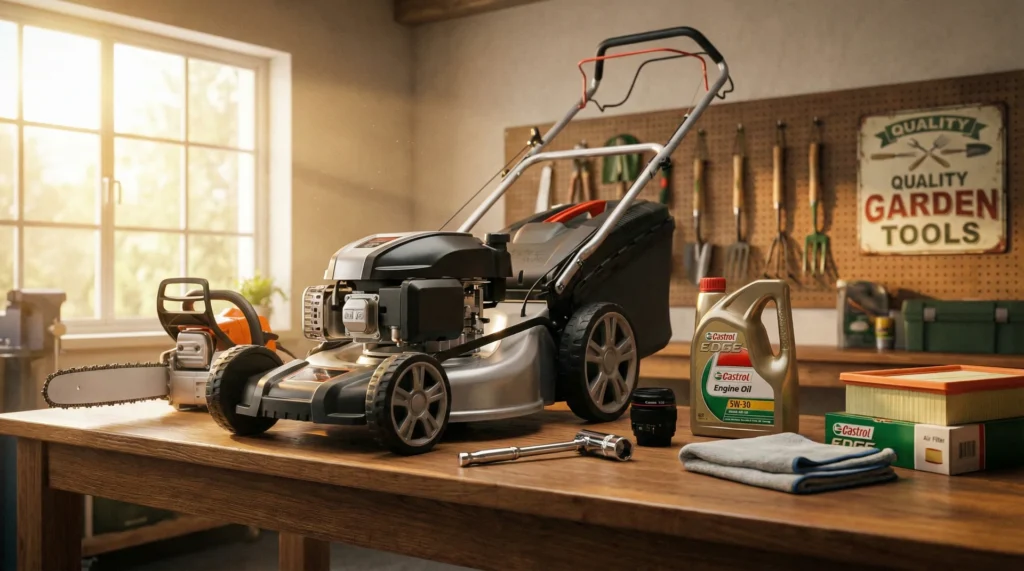
There is a specific kind of frustration that only a homeowner knows: the sun is shining, the grass is finally dry enough to mow, and you pull the starter cord on your lawn mower only to be met with a stubborn, soul-crushing silence. Or perhaps your leaf blower coughs a cloud of blue smoke before sputtering out. Outdoor power tools are the workhorses of our yards, but we often take them for granted until they stop working right when we need them most.
Maintaining your outdoor power tools isn't just about avoiding frustration; it is about protecting a significant financial investment. A well-maintained mower or chainsaw can easily last twice as long as one that is neglected. Furthermore, tools that run efficiently use less fuel, produce fewer emissions, and are significantly safer to operate. In this comprehensive guide, we are going to dive deep into the world of tool upkeep, covering everything from basic cleaning to seasonal storage and specialized engine care.
The Foundations of Tool Longevity
Before we get into the mechanical weeds of spark plugs and carburetors, we need to talk about the most basic—and most overlooked—aspect of maintenance: cleanliness. Your tools live in a world of dirt, grass clippings, sap, and moisture. When these elements sit on your equipment, they create a recipe for disaster. Grass clippings hold moisture against metal decks, leading to rust. Sap can gum up moving parts, and dirt can find its way into air intakes.
After every use, take five minutes to wipe down your equipment. For lawn mowers, this means safely tilting the mower (always with the spark plug wire disconnected) to scrape out the packed grass from under the deck. For hedge trimmers or chainsaws, it means using a brush or compressed air to clear out debris from the cooling fins and cutting surfaces. This simple habit prevents the slow creep of corrosion and overheating that kills most tools prematurely.
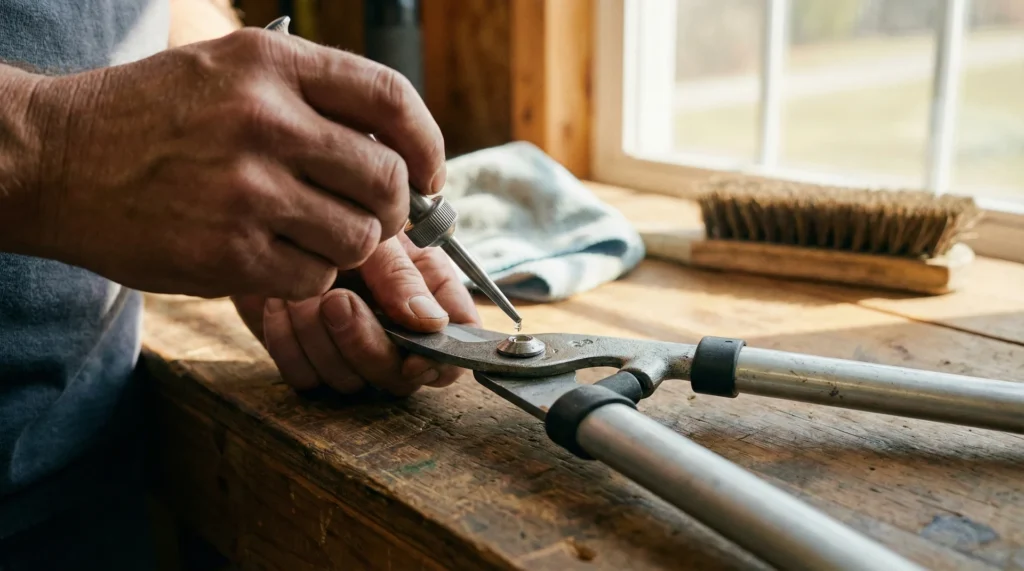
Lubrication is the second pillar of basic care. Any part that moves against another part needs help. This includes the wheels on your mower, the pivot points on your loppers, and the drive chains on your tillers. Using a high-quality silicone spray or a specialized tool lubricant can prevent seizing and reduce the physical effort required to use the tool. Think of it as the difference between sliding on ice and sliding on sandpaper.
Gasoline Powered Tool Essentials
Gas-powered tools are rugged and powerful, but they are also the most demanding in terms of maintenance. The internal combustion engine is a marvel of engineering, but it relies on clean air, clean fuel, and a strong spark to function. If you neglect any of these, the engine will eventually protest.
The Battle Against Ethanol
Perhaps the biggest enemy of modern small engines is ethanol-blended gasoline. Most gas stations sell fuel that contains up to 10% ethanol (E10). While fine for your car, ethanol attracts moisture and can lead to phase separation in small engines. Over time, it turns into a gummy varnish that clogs the tiny passages in a carburetor. To prevent this, always use a fuel stabilizer if you plan on keeping gas in the tank for more than 30 days. Better yet, if you can find it, use ethanol-free fuel for all your outdoor power equipment.
Oil Changes and Filters
Just like your car, your four-stroke lawn mower needs regular oil changes. Most manufacturers recommend changing the oil every 50 hours of use or once a season. Old oil loses its viscosity and becomes saturated with microscopic metal shavings and carbon. When you drain that dark, sludge-like liquid and replace it with fresh, amber oil, you are essentially giving your engine a new lease on life.
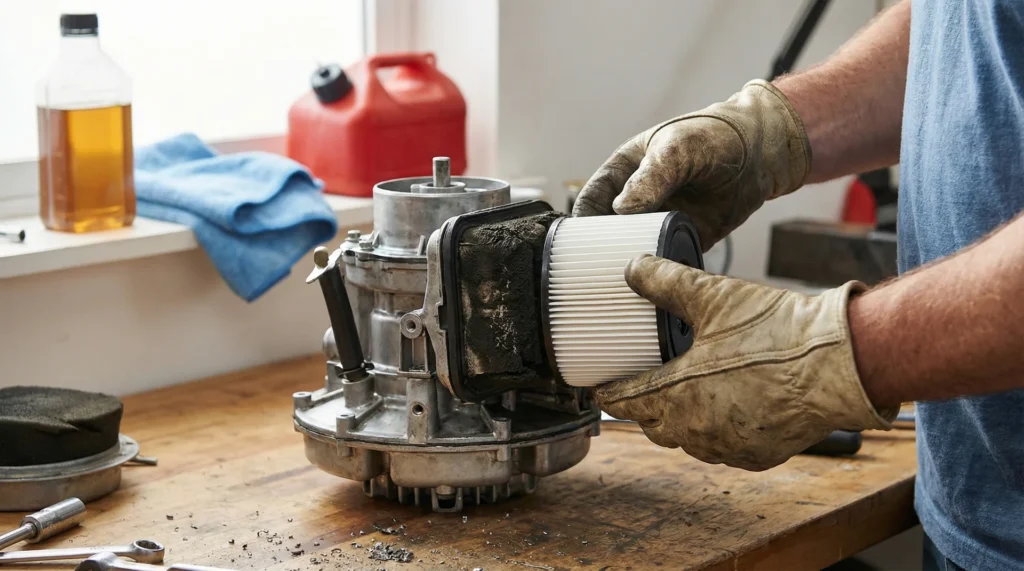
Don't forget the air filter. Small engines operate in incredibly dusty environments. A clogged air filter forces the engine to work harder, run hotter, and consume more fuel. Check the filter every few uses; if it’s paper, replace it when it looks dirty. If it’s foam, wash it in warm soapy water, let it dry completely, and apply a light coat of engine oil before re-installing.
Maintaining Electric and Battery Tools
The rise of lithium-ion technology has revolutionized outdoor power tools. They are quieter, lighter, and start with the push of a button. However, the misconception that they are "maintenance-free" is a dangerous one. While you don't have to worry about oil changes, you do have to manage the health of your batteries and the integrity of the electrical connections.
Battery Health and Storage
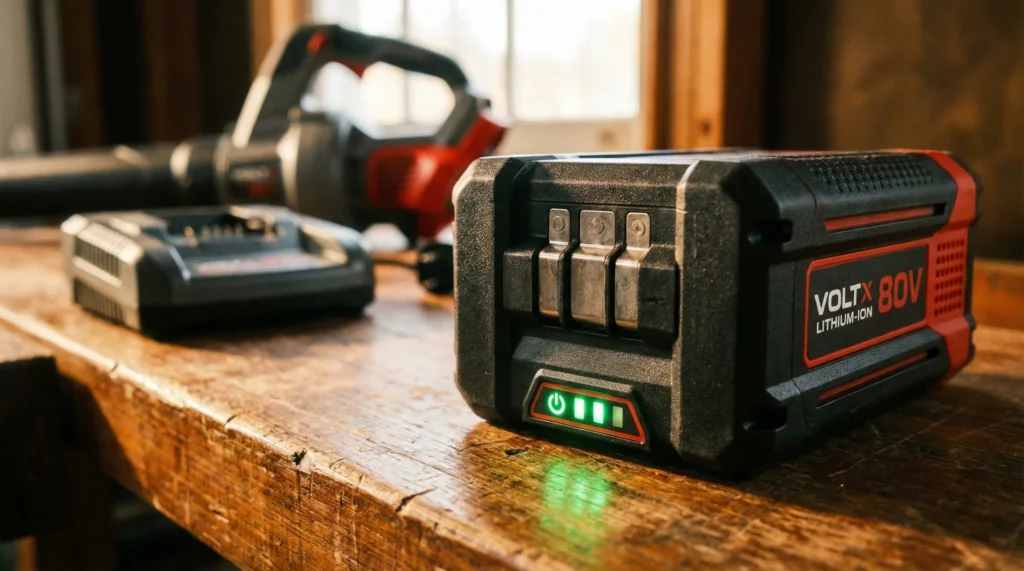
Lithium-ion batteries are expensive, often making up half the cost of the tool itself. To maximize their lifespan, never store them in a state of total discharge. If you're putting your blower away for the winter, charge the battery to about 50-70%. Storing a battery completely empty can lead to a "deep discharge" state from which it may never recover. Additionally, avoid storing batteries in extreme temperatures. A boiling hot garage in July or a freezing shed in January will chemically degrade the cells inside.
Keeping It Dry
Electric tools have a natural enemy: moisture. While most modern cordless tools are designed to be weather-resistant, they are not waterproof. Corrosion on battery terminals can lead to poor performance or a complete failure to start. Periodically check the contact points on both the battery and the tool. If you see any signs of oxidation (a white or green powdery substance), clean it off gently with a dry cloth or a dedicated contact cleaner.
Sharpening and Blade Maintenance
A dull tool is a dangerous tool. Whether it’s a mower blade, a chainsaw chain, or hedge trimmer teeth, a dull edge tears rather than cuts. In the case of a lawn mower, a dull blade shreds the top of the grass blades, leaving them brown and susceptible to disease. For a chainsaw, a dull chain forces the operator to apply more pressure, increasing the risk of kickback.
The Art of the Mower Blade
You should sharpen your mower blade at least twice a season. You can do this yourself with a metal file or an angle grinder, but the key is balance. After sharpening, hang the blade on a nail through the center hole. If one side dips, it’s heavier and needs more material removed. An unbalanced blade will vibrate violently, eventually destroying the engine’s crankshaft bearings.
Chainsaw Chain Tension
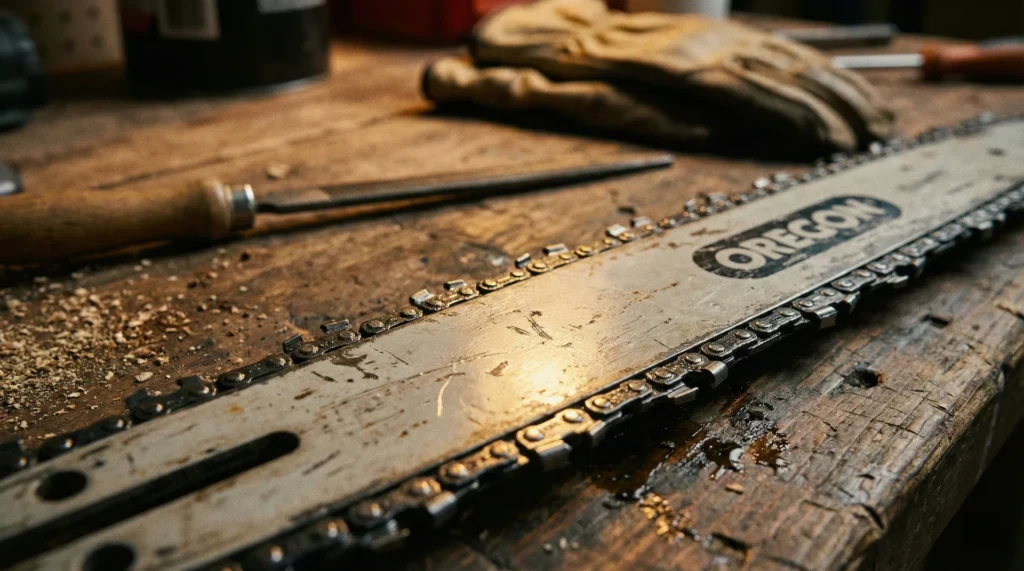
For chainsaw owners, maintenance is an ongoing process. You must check the chain tension frequently. A loose chain can jump off the bar (throwing the chain), while a tight chain can overheat the bar and stall the engine. You should be able to lift the chain slightly off the bar, but the drive links should still be engaged in the groove. Also, never forget to keep the chain oil reservoir topped up; running a "dry" chain is the fastest way to ruin both the chain and the guide bar.
Seasonal Storage and Winterization
The way you put your tools away at the end of the season determines how they will treat you in the spring. "Winterizing" is the process of preparing your gear for a long slumber. For gas tools, you have two choices: either run the tank completely dry until the engine stalls, or fill it to the brim with stabilized fuel. Leaving a half-empty tank allows room for condensation to form, leading to rust inside the tank.
For all tools, this is the time for a "deep clean." Remove any stubborn grime, check for loose bolts, and spray metal surfaces with a light coating of WD-40 or similar rust inhibitor. Store your equipment in a dry, covered area. If you must store a mower outside, keep it off the ground on a pallet and use a breathable cover—plastic tarps can actually trap moisture underneath, accelerating rust.
Conclusion and Final Thoughts
Maintaining your outdoor power tools might seem like a chore, but it is a fundamental part of responsible homeownership. It transforms your relationship with your equipment from one of frustration to one of reliability. When you take the time to clean the deck, change the oil, and sharpen the blades, you are ensuring that your tools are ready to work whenever you are.
Remember, the best time to perform maintenance is before you need the tool. Don't wait for the first grass of spring to check your mower. By following these steps and staying consistent, you’ll save money on repairs, enjoy a better-looking yard, and find that your weekend chores become just a little bit easier. Happy gardening!