




The 6 Best Foam Rollers in 2026

ON THIS PAGE
Best Foam Rollers Featured
Transparency Note: This post contains affiliate links. As an Amazon Associate, we earn from qualifying purchases at no extra cost to you.

If you’ve ever stood in the sporting goods aisle wondering which foam roller will actually help your sore calves, tighten up your mobility routine, or survive a few years of heavy use, you’re not alone. We get that choosing the right one feels overwhelming—there are different densities, lengths, surface textures, and bold claims on every product page. That’s exactly why we made this guide: to cut through the noise and point you to foam rollers that deliver real results without wasting your time or money.

To make our recommendations reliable, we didn’t rely on a handful of opinions. We analyzed thousands of customer reviews across multiple retailers, logged consistent praise and recurring complaints, and compared features side-by-side—density, material, size, construction, warranty, and price. We also cross-checked how each roller stacked up against competitors to spot which models were truly standout and which were simply well-marketed. Where possible, we incorporated hands-on testing and expert input to better evaluate durability and performance for common uses like post-workout recovery, physical therapy, and everyday mobility work.

Our goal is simple: help you make the best purchase for your needs. We’ll point out which rollers are best for beginners, which are made for deep tissue work, and which offer the best balance of comfort and longevity. By the end of this guide you’ll have a clear sense of which foam roller matches your goals—so you can spend less time researching and more time rolling out the kinks.

Our Top Picks

Best Overall

TRIGGERPOINT Performance Therapy Grid Foam Roller
Overall Rating
4.7
Brand
TRIGGERPOINT
Dimensions
12.95 x 5.43 x 5.43 inches
Weight
1.1 Pounds

This roller earns the Best Overall spot because it balances thoughtful design with everyday reliability. The patented multi-density exterior laid over a rigid hollow core gives it a firm, targeted feel that simulates hands and thumbs better than plain foam — great for breaking up tight spots without feeling like you’re rolling on a block of plastic. The materials are built to hold their shape through repeated use, so it’s one you can trust to still perform months down the line. The added access to TriggerPoint’s online video library is a nice practical touch, especially if you’re learning how to roll smarter instead of harder.

It’s worth noting this is a classic foam roller rather than a tech-forward device — no vibration or adjustable firmness — and availability can vary since it’s made in the USA or imported. Still, for most people wanting a durable, therapist-recommended tool that actually gets the job done, it’s hard to beat.

Best Vibrating

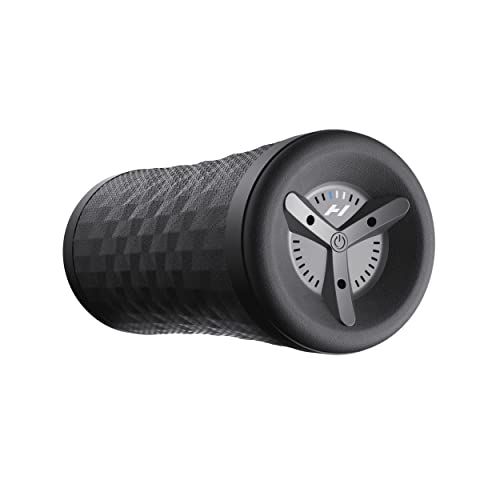
Hyperice Vyper 3
Overall Rating
4.6
Brand
Hypervice
Dimensions
13 x 5.4 x 5.4 in
Weight
2.7 Pounds

The Vyper 3 really shines as a vibrating roller — its high-torque 34W motor and three intensity settings deliver punchy, effective vibration that wakes up tight muscles and speeds warm-ups. The contoured EPP roller is thoughtful: it avoids excess pressure on the spine and makes rolling more comfortable on sensitive areas, and the cordless, travel-friendly design (just 3 lbs and TSA-approved) means you can bring it anywhere. Pairing with the Hyperice app for guided sessions is a nice bonus that helps build a routine rather than just guessing what to do.

A few things to keep in mind: the 2-hour battery life is decent but not exceptional for frequent heavy use, and the device defaults to a 10-minute session before shutting off — fine for most warm-ups, though some may find it limiting. Also remember the initial 5-hour charge. Overall, for pure vibrating performance and portability, the Vyper 3 is a top pick.

Best For Deep Tissue

RumbleRoller Original Textured Foam Roller
Overall Rating
4.6
Brand
RumbleRoller
Dimensions
5 x 5 x 13 inches
Weight
0.3 Pounds

If you’re chasing a real deep-tissue feel, the RumbleRoller lives up to its reputation. Its sturdy, knobbed surface actually mimics fingers and thumbs, letting it reach deeper into fascia and connective tissue than a smooth roller. That textured pattern, combined with firm density, pushes through tight spots to boost circulation and help speed recovery — you can feel it getting into the knots rather than just gliding over them.

Beyond the intense massage, it’s built solidly, so it won’t flatten out after a few uses, and the length gives you enough surface to work hips, back, and thighs without constantly repositioning. The trade-offs are pretty typical: its firmness is aggressive, so beginners or very sore muscles may prefer something softer, and the texture takes some getting used to. Overall, for anyone wanting targeted, deep relief, this roller is a standout choice.

Best For Travel

Brazyn Morph Foam Roller
Overall Rating
4.5
Brand
Brazyn
Dimensions
16 x 7 x 2.6 inches
Weight
1.5 Pounds

If you travel a lot but don’t want to skip recovery, the Brazyn Morph lives up to the “best for travel” label. It collapses down to under 2 inches, weighs just 1.5 pounds, and slips into a day bag easily, yet pops open into a full‑size 14.5‑inch, 5.5‑inch‑diameter roller in seconds with a simple tug-and-push action. That convenience alone makes it easy to roll more often on the road.

What sells it is the build: handmade from bamboo and recyclable aluminum, assembled from many pieces, and tested to support 350 pounds, so it feels surprisingly sturdy given its slim packed profile. It covers your whole back and offers the familiar feel of a solid roller without hauling bulk. On the flip side, the $75 price is higher than cheap foam tubes and some users who need very firm, long rollers for specific therapy may prefer a traditional model. For travelers who want a reliable, well-made recovery tool that actually goes with them, the Morph is hard to beat.

Best For Athletes

Pro-Tec Athletics Foam Roller
Overall Rating
4.5
Brand
Pro-Tec
Dimensions
10 x 2 x 2.7 inches
Weight
1.6 Pounds

This foam roller feels purpose-built for athletes who want a no-nonsense tool for warm-ups and recovery. The thin outer layer of foam gives a firm, aggressive feel that digs into tight muscle effectively, and the flat surface makes rolling smoother and quicker—great when you’re moving through a dynamic routine. The hollow core keeps it surprisingly tough, so it won’t collapse after heavy use, and the 5.5" diameter by 13" length is a handy size for targeting both big muscle groups and smaller areas like calves or IT bands. Including an exercise guide is a nice touch for anyone who wants ideas for targeted work, and the pink/black or blue/black options are simple but sporty.

On the flip side, that firm profile can be a little intense for beginners or people who prefer softer rollers, and the shorter length won’t replace a full-size roller for spine work. Overall, it’s a solid, durable pick for athletes who want effective, portable recovery.

Best Budget-Friendly

Amazon Basics High Density Foam Roller
Overall Rating
4.5
Brand
Amazon Basics
Dimensions
5.75 x 17.75 x 5.75 inches
Weight
0.42 Pounds

The Amazon Basics High Density Foam Roller is a no-nonsense, wallet-friendly option that does what you need without fuss. Its firm, high-density polypropylene construction keeps its shape under pressure, so it delivers consistent support for balance, strengthening, flexibility, and rehab exercises. Molded edges make it a bit more comfortable on sensitive spots, and the compact 12 x 6 x 6-inch size is easy to stash in a gym bag or carry to class. It’s lightweight and simple to reposition during workouts, and the speckled blue finish wipes clean in seconds — small conveniences that add up.

It isn’t fancy: there’s no aggressive texture for deep-tissue release, and longer rollers suit some users better. But for the price, it’s a reliable everyday tool that holds up to regular use and won’t intimidate beginners. If you want solid performance on a budget, this roller earns its spot.

What To Look For

Choosing the right foam roller makes recovery easier and more comfortable; keep a few practical factors in mind so the roller matches your body, goals, and routine.

  • Density / Firmness: Firm rollers deliver deeper pressure for tight muscles and athletic recovery, while softer options suit beginners, sensitive areas, and gentle mobility work.
  • Length and Size: Longer rollers provide full-spine support and stability for exercises, while shorter ones are easier to store and better for targeted rolling.
  • Diameter: Standard 6-inch diameters offer broad contact for most users; smaller diameters concentrate pressure for precise work on calves and arms.
  • Surface Texture: Smooth rollers give even pressure and a gentler glide; textured or ridged surfaces mimic hands and knuckles for more targeted myofascial release.
  • Material and Durability: High-quality EVA foam or molded cores resist flattening and tearing so the roller keeps its shape and performance over time.
  • Construction and Load Capacity: Solid or reinforced cores are important if you need full-body weight support to avoid collapsing during heavier or dynamic exercises.
  • Portability and Weight: Hollow-core or lightweight foam is easier to carry to the gym or travel with, but balance portability against durability and firmness needs.
  • Cleaning and Maintenance: Look for water-resistant, easy-to-wipe surfaces or removable covers so sweat and grime don’t degrade the foam or harbor bacteria.
  • Intended Use and Skill Level: Match the roller to your routine—rehab and gentle mobility, athletic recovery, or Pilates-style core work—and choose firmness accordingly.
  • Price and Warranty: Consider long-term value: a midrange roller from a reputable brand with a warranty often outperforms a cheap, short-lived option.

Weigh firmness, size, texture, and durability together with how and where you’ll use the roller to choose the best match for your needs.

How We Select Our Products

Picking the foam rollers you see in this post wasn’t a quick scroll-and-pick exercise — we treated it like a small research project because we know people rely on these recommendations. First, we cast a wide net: hundreds of listings and user reviews across retailers and specialty stores. From that pool we filtered out products with inconsistent quality signals (lots of returns, unverifiable reviews, or sketchy specs) so we could focus on contenders that actually deliver.

Next came the criteria we used to compare them. Customer ratings and verified-review analysis were front and center — we read dozens of full reviews rather than just averaging star scores, looking for recurring praise or complaints about durability, comfort, and real-world performance. We also compared features side-by-side: material and density, firmness options, surface texture, length and diameter, weight, cleaning ease, and warranty or return policies. Price and value for money were weighed carefully: a premium roller needs to justify its cost through build quality, longevity, or unique features, while budget picks had to show surprisingly good performance for their price.

Where we could, we put rollers through hands-on checks. That involved testing for shape retention, how they felt on tight muscles, portability, and whether the surface was grippy or irritating on the skin. Finally, we used a simple weighted scoring system to balance objective specs, user sentiment, and our hands-on impressions. We also stay open to updates — if a model’s quality changes or new evidence appears, we’ll revise our list. The goal throughout was practical, reliable guidance so you can pick a roller that actually helps you recover and move better.

Final Thoughts

Choosing the right foam roller makes a surprisingly big difference in how quickly your body recovers, how much pain you feel after workouts, and how easily you move day to day. A well-matched roller delivers the right amount of pressure to loosen tight muscles and break up adhesions without causing unnecessary discomfort. That means faster warm-ups, quicker post-exercise recovery, and fewer nagging aches — whether you’re an athlete chasing performance gains or someone easing into regular movement.

Think about specific needs rather than grabbing the first one you see. Softer, smooth rollers are kinder for beginners, sensitive areas, or gentle mobility work; firmer, denser models give deeper, more aggressive release for experienced users and chronic tightness. Textured or grid-style rollers mimic a therapist’s hands to target knots, while longer rollers provide stability for balance and core exercises. Mini rollers or travel-sized options are handy for on-the-go relief, and hollow or lightweight designs help if portability is a priority. Matching roller length, diameter, and surface to your goals prevents wasted money and suboptimal results.

Practical details matter too: look for durable materials, easy cleaning, and a balance between comfort and effectiveness. If you’re rehabbing an injury or have a medical condition, check with a physical therapist to pick the safest option. Read reviews, test in-store if possible, and prioritize what you’ll actually use. The right foam roller can be a small investment that pays off with less pain, better movement, and more consistent training — so choose deliberately, not by impulse.

Share:
On Key
You Might Also Like