




The 9 Best Video Projectors in 2026

ON THIS PAGE
Best Video Projectors Featured
Transparency Note: This post contains affiliate links. As an Amazon Associate, we earn from qualifying purchases at no extra cost to you.

Choosing the right video projector can feel like navigating a mazeโ€”so many specs, confusing jargon, and wildly different price tags. We get it. Our goal is to make that decision as simple and confident as possible. Over the years weโ€™ve helped hundreds of readers find projectors that actually suit their rooms, budgets, and viewing habits, and we approach every recommendation with the same practical, detail-focused mindset.

To make our picks reliable, we donโ€™t rely on a single source. We analyzed thousands of real customer reviews to surface common praise and recurring complaints, then compared those findings against each modelโ€™s technical specs and competing products on the market. That dual approachโ€”listening to user experiences and scrutinizing features like brightness, resolution, contrast, throw distance, connectivity, and long-term reliabilityโ€”lets us separate projectors that look good on paper from those that perform well in everyday use. We also factor in noise levels, warranty support, and overall value so youโ€™re not surprised after the purchase.

Throughout the guide youโ€™ll find options for different needsโ€”home theaters, gaming, portable setups, and budget-friendly office projectorsโ€”along with clear pros and cons to help you match a model to your situation. Our aim is simple: give you honest, well-researched recommendations so you can spend less time comparing specs and more time enjoying the big screen. Keep reading and weโ€™ll walk you through the best choices available right now.

Our Top Picks

Best Overall

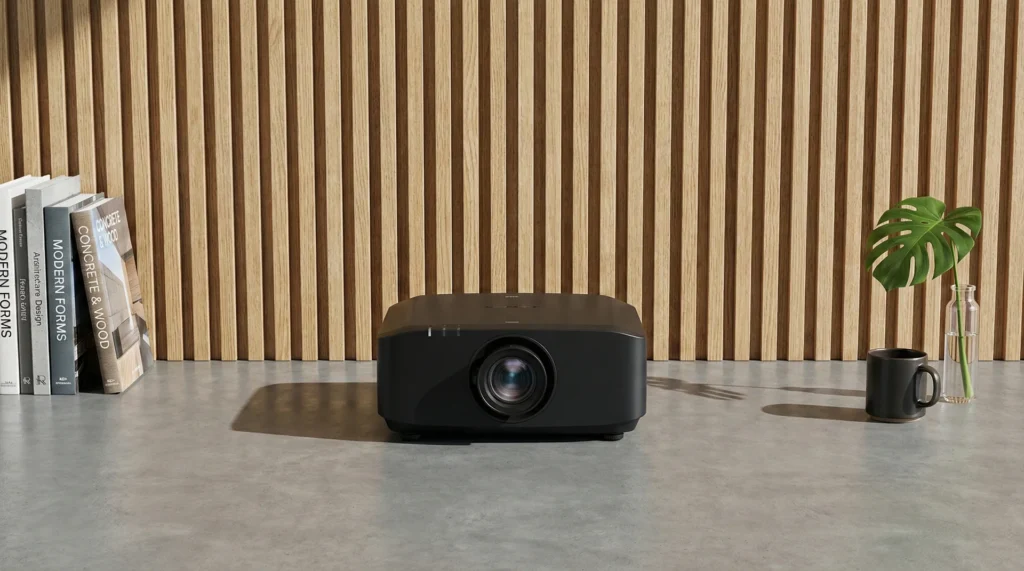
Sony VPL-XW5000ES Native 4K Laser Projector
Overall Rating
4.7
Brand
Sony
Brightness
2000 lumens
Contrast Ratio
โˆž:1 (dynamic)
Resolution
3840 x 2160 pixels
Dimensions
18.1 x 7.9 x 18.6 in
Weight
28.7 lb

Sonyโ€™s VPL-XW5000ES earns the Best Overall spot by marrying true native 4K imaging with top-tier processing and a reliable laser light engine. The SXRD panel delivers crisp 3,840 x 2,160 detail, while the X1 Ultimate processor sharpens and cleans motion so 4K movies and fast sports look refined. Color reproduction is a standout โ€” TRILUMINOS PRO plus Wide Dynamic Range Optics push toward a 95% DCIโ€‘P3 gamut and high color volume, so skin tones and saturated scenes feel natural rather than exaggerated. The 2,000-lumen laser is bright enough for large screens and retains consistent output for up to 20,000 hours, and the unit is noticeably smaller and lighter than Sonyโ€™s previous flagship.

On the more ordinary side, 2,000 lumens wonโ€™t trump high-output projectors if you need heavy ambient-light performance, and connectivity/audio options are what youโ€™d expect for a premium home theater model rather than groundbreaking. Still, for anyone prioritizing true 4K clarity, color fidelity, and long-term reliability, the XW5000ES is hard to beat.

Best for Bright Rooms

Anker Nebula X1 4K Triple Laser Projector
Overall Rating
4.6
Brand
Anker
Brightness
3500 lumens
Contrast Ratio
56000:1
Resolution
3840 x 2160 pixels
Dimensions
9.8 x 11.1 x 7.3 in
Weight
13.7 lb

If youโ€™re trying to tame a sunlit living room, the Nebula X1 really feels built for that job. Its triple-laser engine pushing 3,500 ANSI lumens and 110% Rec.2020 color means images stay bright and punchy even with ambient light, and Dolby Vision plus ISF/TรœV certifications give confidence the colors and HDR grading are handled accurately. In short, it keeps picture integrity where many projectors wash out.

What really seals the deal for flexible bright-room setups is the combination of optics and smart adjustments: a 14-element all-glass lens, 0.9โ€“1.5 motorized zoom, and a 25ยฐ motorized micro gimbal let you fit a large, sharp image into awkward spaces without moving the unit. Contrast-wise the native 5,000:1 is respectable, but NebulaMasterโ€™s enhancement to an effective 56,000:1 brings deep blacks that help image pop in mixed lighting. Add quiet liquid cooling (sub-26 dB) and the AI Spatial Adaptation with Spatial Recall, and itโ€™s clear why this is a top pick for brighter rooms โ€” a lot of premium capability with a few expected, mainstream touches.

Best Ultra Short Throw

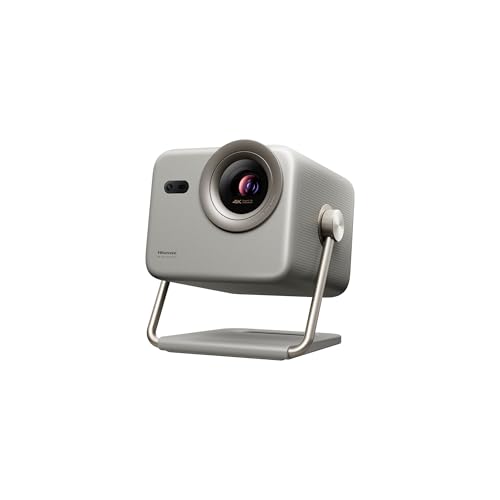
Hisense PL2 UST 4K Laser Cinema Projector
Overall Rating
4.5
Brand
Hisense
Brightness
2700 lumens
Contrast Ratio
3000:1
Resolution
3840 x 2160 pixels
Dimensions
4.7 x 20.9 x 13.2 in
Weight
18.7 lb

The Hisense PL2 UST feels like a thoughtful take on what an ultra short throw should be: X-Fusion laser light and a Pure Colour palette combine to produce images that look naturally vivid, with convincing skin tones and lush greens. Placing the unit close to the wall yields impressively large pictures from 80" up to 150", and the 4K AI Upscaler paired with the DLP micro-mirror array sharpens lower-res sources into surprisingly detailed frames. Dolby Vision and broad HDR support add punch to highlights and deepen perceived contrast, while the quoted 25,000+ hour laser lifespan means you wonโ€™t be worrying about replacement anytime soon.

That said, the 2700-lumen rating is more than adequate for dim to moderately lit rooms but wonโ€™t outshine bright daylight, so room control helps. The spec sheet focuses on image tech rather than speaker or smart-platform details, so check those if they matter to you. Overall, the PL2 is an excellent, cinema-minded UST option for home theaters and media rooms.

Best for Gaming

Valerion VisionMaster Pro 2 Triple Laser Projector
Overall Rating
4.5
Brand
Valerion
Brightness
3000 lumens
Contrast Ratio
15000:1
Resolution
3840 x 2160 pixels
Dimensions
10.2 x 7.3 x 8.5 in
Weight
15.4 lb

If youโ€™re building a dedicated gaming setup, the VisionMaster Pro 2 hits the sweet spot between speed and cinematic image quality. Its 4ms input lag and 240Hz refresh support on ultra-wide formats make competitive play feel instant, while dedicated RPG/FPS/RCG modes, enhanced crosshairs and night-vision tweaks give practical, usable advantages in fast matches. The combination of 4K with AI Super Resolution and HDR10+ Dynamic Tone Mapping keeps visuals crisp and punchy, and the 15,000:1 contrast plus EBL tech means darker scenes donโ€™t wash outโ€”great for atmospheric shooters.

The OpticFlex lens and auto-focus/keystone make setup painless whether youโ€™re in a compact room or pushing a massive 300" screen. Built-in Google TV, fast internal specs (4GB/128GB) and easy casting mean fewer interruptions between game sessions. Just keep in mind that 3000 ISO lumens is excellent for dim or controlled lighting but like most projectors isnโ€™t a daytime TV replacement. Overall, itโ€™s a very strong gaming projector choice.

Best Portable

Soundcore Nebula Mars 3 Air Portable Google TV Projector
Overall Rating
4.4
Brand
Soundcore
Brightness
400 lumens
Contrast Ratio
400:1
Resolution
1920 x 1080 pixels
Dimensions
5.2 x 7 x 4.8 in
Weight
3.7 lb

If you want a true grab-and-go projector that doesnโ€™t feel like a compromise, the Soundcore Nebula Mars 3 Air nails the brief. It pairs native 1080p HDR clarity with a surprisingly punchy 400 ANSI lumens output, so movies look detailed and colors pop more than you might expect from a compact unit. Having Google TV built in means you can open apps like Netflix straight away without extra dongles, and the dual 8W Dolby speakers actually deliver fuller sound than most portable rivals โ€” enough to double as a party speaker when needed.

Setup is delightfully simple: autofocus, automatic keystone correction and obstacle avoidance work in seconds, which is a big win for quick movie nights. Battery life is decent for on-the-go viewing โ€” roughly 2.5 hours for video and longer for music โ€” but itโ€™s not a full-featured replacement for home projectors in very bright rooms. Overall, its balance of image quality, smart platform and easy setup makes it a top pick in the Best Portable category.

Best Color Accuracy

BenQ W2720i 4K HDR Home Projector
Overall Rating
4.4
Brand
BenQ
Brightness
2500 lumens
Contrast Ratio
2000000:1
Resolution
3840 x 2160 pixels
Dimensions
16.5 x 5.6 x 12 in
Weight
14.3 lb

BenQโ€™s W2720i really earns its place for color accuracy. The factory calibration with CinematicColorโ€”hitting 98% of Rec.709 and 90% of DCIโ€‘P3 with Delta E under 3โ€”means skin tones, cinematic hues, and subtle gradients look faithful straight out of the box. The AI Cinema Mode that tweaks colors by scene and ambient light is a practical touch, so you get consistently natural results whether youโ€™re watching a dark drama or a colorful animated film. True 4K with HDR10/HLG ensures those colors have the resolution and dynamic range to shine.

Itโ€™s also built for long-term, controlledโ€‘light home theaters: the LED source promises 30,000 hours and the 2,500 ANSI lumen output is plenty for dim rooms, though itโ€™s not the brightest pick for well-lit spaces. Connectivity is solidโ€”HDMI 2.1, eARC and SPDIF for easy Dolby Atmos pass-throughโ€”so while the audio/brightness specs are fairly standard, the color performance is what sets this projector apart.

Best Entry-Level 4K

Hisense M2 Pro 4K Pixel-Shifting Smart Projector
Overall Rating
4.3
Brand
Hisense
Brightness
1300 lumens
Contrast Ratio
1000:1
Resolution
3840 x 2160 pixels
Dimensions
7.6 x 9.1 x 8.6 in
Weight
8.6 lb

If you want a big-screen, cinematic feel without the premium price, the Hisense M2 Pro does a lot right. The triple-laser light source and DLP pixel-shifting engine deliver punchy, well-saturated color and sharp detailโ€”AI-driven picture and color enhancements plus Dolby Vision help frames look more lifelike, especially in dark-room movie nights. Hitting up to 200 inches at 4K, with a flexible 1.0โ€“1.3 optical zoom that keeps the image crisp, itโ€™s impressive for family viewing and immersive gaming; the low-lag performance and clear motion handling make fast-paced titles enjoyable. VIDAAโ€™s smart platform is easy to use and covers the major streaming apps, and the projector even supports active-shutter 3D for those who want extra depth.

That said, 1300 ANSI lumens is best suited to dim environments rather than bright daytime use, and the 4K comes via pixel-shifting rather than native panelsโ€”still excellent for the price, but worth noting. Overall, a compelling entry-level 4K choice for home theaters and backyard screenings.

Best Compact Design

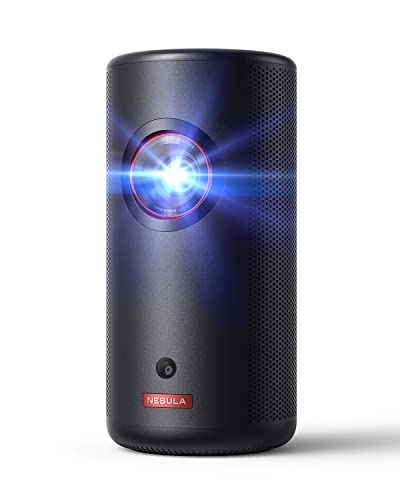
Nebula by Anker Capsule 3 Laser Smart LED Projector
Overall Rating
4.3
Brand
Nebula
Brightness
300 ANSI lumens
Contrast Ratio
400:1
Resolution
1920 x 1080 pixels
Dimensions
6.6 x 3.3 x 3.3 in
Weight
2.1 lb

From the description, itโ€™s easy to see why the Nebula Capsule 3 Laser scores highly for compact design. At just 2 lb and roughly 90% smaller than similarly bright models, it genuinely lives up to the โ€œpocketable projectorโ€ idea while still pushing 1080p images with a 300 ANSI-lumen laser engine. That combination means you get surprisingly crisp, bright pictures for a device this size and the ability to fill up to a 120-inch screenโ€”perfect for impromptu movie nights or on-the-go presentations.

Beyond its tiny footprint, the Capsule 3 Laser packs thoughtful practicalities: a 2.5-hour movie battery (or 8 hours for music) with PD charging support, officially licensed Netflix and full Google TV/Assistant/Cast integration, and 8W Dolby Digital speakers that do better than youโ€™d expect from such a small unit. If thereโ€™s a caveat, itโ€™s that 300 lumens performs best in dimmer environments and the movie runtime may require a power bank for marathon sessions. Overall, for pure portability without sacrificing smart features or image quality, itโ€™s a standout.

Best Value Home Theater

Epson Home Cinema 980 1080p LCD Projector
Overall Rating
4.2
Brand
Epson
Brightness
4000 lumens
Contrast Ratio
16000:1
Resolution
1920 x 1080 pixels
Dimensions
4.2 x 12.2 x 11.1 in
Weight
6.8 lb

Epsonโ€™s Home Cinema 980 earns its spot in the Best Value Home Theater list by delivering punchy, dependable performance without breaking the bank. The 1080p images are crisp and detailed, and the projectorโ€™s fast data processing keeps sports and gaming feeling smooth. Equally important, the 3LCD engine produces full RGB color for every frame, so colors look natural and vibrant without the distracting rainbow artifacts some other projectors show.

Where this model really shines for value is brightness and connectivity. With 4,000 lumens of both color and white brightness, it handles rooms with ambient light better than many competitors, and two HDMI inputs plus a USB power port make hooking up streaming sticks, consoles, or a laptop simple. That versatility means you get a lot of theater-ready capability out of one unit.

Setup is straightforward and it includes a built-in speaker for quick use, though audiophiles will want a dedicated sound system. Also, itโ€™s 1080p rather than 4K, but for the price the combination of image quality, brightness, and ease-of-use makes it an excellent value.

What To Look For

Picking the right video projector starts with balancing image quality, brightness, and how you'll actually use the device in your space. Think practical needs firstโ€”room lighting, screen size, and portability matter more than specs on paper.

  • Brightness (ANSI Lumens): Look for enough lumens to overcome ambient light; a darker room needs fewer lumens while living rooms and classrooms require higher ratings to keep images vivid.
  • Resolution: Higher resolution (1080p or 4K) delivers sharper detail for movies and presentations, especially on large screens, so match resolution to your content and viewing distance.
  • Contrast Ratio: A strong contrast ratio improves black levels and perceived depth, making shadows and bright highlights look more natural and immersive.
  • Throw Distance and Screen Size: Check the projectorโ€™s throw ratio to ensure it can produce your intended image size from the available mounting point or seating arrangement.
  • Light Source and Lamp Life: LED and laser projectors offer longer life and lower maintenance than traditional lamps; consider total runtime and replacement costs when budgeting.
  • Connectivity and Smart Features: Multiple HDMI ports, USB, wireless streaming, and Bluetooth make it easy to connect devices and stream content without constant cable swapping.
  • Portability and Installation: If youโ€™ll move the projector often, prioritize compact size and quick setup; for permanent installs, look for ceiling-mount options and lens shift for flexible placement.
  • Color Accuracy and HDR Support: Good color reproduction and HDR handling matter for film and photo work; look for wide color gamut and reliable color profiles for lifelike images.
  • Built-in Audio and Amplification: Onboard speakers are convenient for casual use, but dedicated external audio or powered speakers are recommended for larger rooms and cinematic sound.
  • Keystone Correction and Lens Shift: Automatic keystone can simplify setup, while lens shift provides precise image alignment without distortionโ€”both reduce the need for physical repositioning.

Prioritize the few features that match your typical viewing environment and content type to find a projector that feels capable and easy to live with.

How We Select Our Products

When we set out to pick the best video projectors for this guide, we treated the process like assembling a puzzle โ€” every piece of information needed to fit together before we made a recommendation. We started by gathering customer ratings from multiple retail sites and marketplaces to capture broad user sentiment. Those numerical scores told us where to focus, but they werenโ€™t enough on their own. We then dove into review analysis: reading hundreds of buyer comments to spot recurring praises and pain points, and comparing those findings with expert reviews and lab measurements where available. This helped us separate genuine strengths (consistent image quality, dependable connectivity) from hype or one-off issues.

Next came a detailed feature and value-for-money comparison. We evaluated core specs โ€” brightness (lumens), native resolution, contrast, color accuracy, throw ratio, and lamp or LED lifespan โ€” alongside practical factors like input options, streaming compatibility, fan noise, portability, and ease of setup. Each projector was scored not just on raw specs but on real-world usability: how well it performs in living rooms vs. darker home theater spaces, how simple firmware updates and customer support are, and what the total cost of ownership looks like including bulbs or replacement parts. We weight these criteria based on what matters most to buyers (image quality and reliability are heavier than flashy extras), and we cross-checked outliers to avoid amplifying one-off experiences. Throughout, our goal was simple: provide recommendations you can trust, backed by careful analysis, transparent reasoning, and a commitment to updating the list as new models and user feedback emerge.

Final Thoughts

Picking the right video projector isnโ€™t just about chasing the latest specs โ€” itโ€™s about matching a device to how you actually plan to use it. When you choose with purpose, you get better image quality for movies, smoother performance for games, reliable brightness for daytime presentations, and the right balance of portability and longevity for traveling or outdoor movie nights. A well-matched projector feels like it was made for your room and your content.

Think about what matters most to you: sharpness and color accuracy if youโ€™re building a home theater; high brightness and easy setup if youโ€™ll be presenting in classrooms or offices; low input lag and high refresh rates for gaming; or light weight and battery life for on-the-go use. The right features โ€” resolution, lumens, contrast, throw distance, connectivity options, and noise levels โ€” translate into real benefits: clearer images, fewer setup headaches, less eye strain, and a viewing experience thatโ€™s enjoyable rather than frustrating.

Youโ€™ll also save money and time by considering operating costs (lamp replacements vs. laser), maintenance, and warranty coverage. A slightly pricier model with a long-lasting light source or better customer support can be cheaper over its lifetime than a bargain unit that needs frequent repairs.

In short, donโ€™t buy a projector because it looks good on paper; buy one because it fits your room, your budget, and the way youโ€™ll use it. Take a few minutes to list your priorities, read real-user experiences, and โ€” if possible โ€” test models in person. That small upfront effort will pay off in countless hours of better viewing.

Share:
On Key
You Might Also Like