The 6 Best Sewing Machines in 2026

ON THIS PAGE
Best Sewing Machines Featured
Transparency Note: This post contains affiliate links. As an Amazon Associate, we earn from qualifying purchases at no extra cost to you.

Shopping for a sewing machine should feel exciting, not stressful. Whether you’re stitching your first pillow, tailoring clothes, or tackling intricate quilting projects, choosing the right machine makes a huge difference. That’s why we’re committed to guiding you to a purchase you’ll actually be happy with — not just sold on a flashy feature list.

To make our recommendations trustworthy, we analyzed thousands of customer reviews and compared key features across dozens of models. We looked beyond specs to see how machines perform in real life: reliability over time, stitch quality, ease of threading, noise levels, and how helpful the customer support and warranties are. We also weighed price against value so beginners won’t overpay and experienced sewists can find machines with pro-level capabilities. The result is a shortlist of sewing machines that consistently deliver quality and satisfaction.

Our approach is practical and transparent. We prioritize machines that balance performance with durability, and we call out any recurring problems customers reported so you won’t be surprised later. Plus, we take different skill levels and budgets into account — whether you want a simple, user-friendly starter machine or a heavy-duty model for advanced projects, we’ve got options worth considering. Read on for concise, honest reviews that make comparing models easy and help you pick the sewing machine that fits your needs.

Our Top Picks

Best Overall

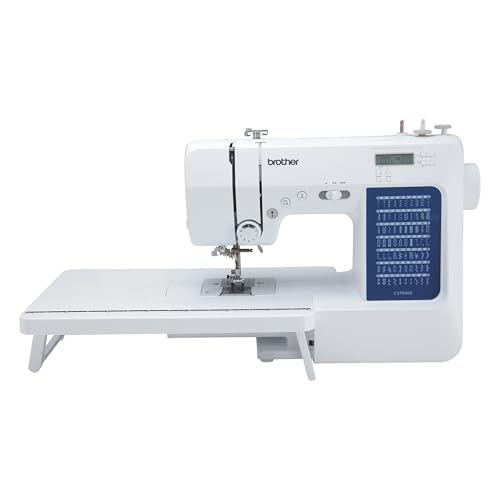
Brother CS7000X
Overall Rating
4.6
Brand
Brother
Dimensions
16.26 x 6.65 x 12.21 inches
Weight
14 Pounds

The Brother CS7000X earns its Best Overall spot by combining real versatility with approachable ease of use. With 70 built-in stitches and seven one-step buttonholes, it handles everyday mending, decorative projects and quilting without needing add-ons. The improved automatic needle threader and jam-resistant drop-in bobbin make setup and thread changes painless, and the included wide table plus ten presser feet and a quilt guide mean you can start larger projects right away. A metal frame and fixed needle bar keep stitches consistent, and the roomy needle-to-arm space is genuinely helpful for quilts and bulkier fabrics.

It’s worth noting this is a home machine designed for hobbyists rather than industrial workloads—motor performance and heavy-duty capacity are in line with other consumer models. Still, for most sewists wanting reliability, features and value in one package, the CS7000X is hard to beat.

Best Premium

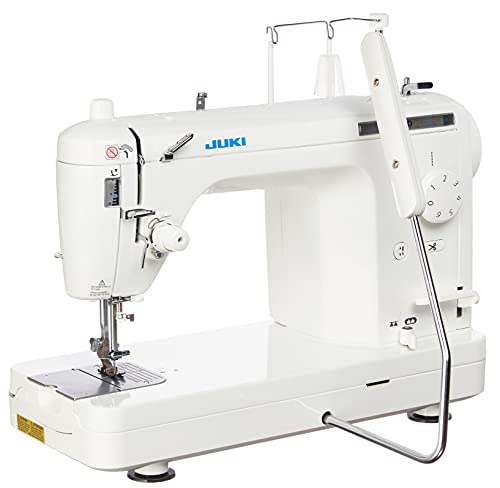
JUKI TL-2000Qi
Overall Rating
4.6
Brand
JUKI
Dimensions
17.8 x 8.6 x 13.8 inches
Weight
25.4 Pounds

The JUKI TL-2000Qi earns its place in the Best Premium tier by blending industrial-strength reliability with home-sewing convenience. Its punchy 1500 SPM speed and rigid aluminum die-cast arm and bed make long quilting sessions feel effortless — you notice steadier stitching and very little vibration even at high speeds. The updated LED lights brighten the whole work area, and the one-pedal operation plus the automatic needle threader shave minutes off setup and keep your focus on the fabric. Including an extension table means wide quilts and home décor projects glide across the machine without fuss.

It isn’t overloaded with flashy extras, so some advanced decorative stitch choices are fairly standard rather than extensive, but for serious quilting, apparel sewing, and heavy-duty home projects this machine delivers smooth, reliable performance where it counts. If you want a premium, no-nonsense workhorse that speeds up production and reduces strain, the TL-2000Qi is a hard one to beat.

Best Value For Money

Brother XM2701
Overall Rating
4.6
Brand
Brother
Dimensions
5.9 x 12.1 x 15.3 inches
Weight
12.6 Pounds

Brother’s XM2701 earns its Best Value For Money badge by packing the essentials into an easy-to-use machine that won’t break the bank. The 27 built-in stitches and an auto-size buttonhole cover most home sewing needs, from garment repairs to simple decorative projects. The automatic needle threader and jam-resistant drop-in top bobbin save time and frustration, while the included feet, extra needles, bobbins and instructional DVD mean you can start sewing right away. The free arm is handy for cuffs and sleeves, and Brother’s “At Your Side” support adds confidence for new users.

It’s not a high-end, computerized model — the stitch selection is solid but not extensive — yet that simplicity is part of the appeal for hobbyists and beginners. Note the 120V, US-only warranty limitation if you’re elsewhere. Overall, for everyday sewing tasks and straightforward reliability, the XM2701 delivers excellent value.

Best Portable

SINGER M1000
Overall Rating
4.3
Brand
SINGER
Dimensions
5.1 x 11.5 x 9.4 inches
Weight
5.5 Pounds

If you need a sew-anywhere companion, the SINGER M1000 really hits the sweet spot. At just 5.5 pounds it’s genuinely portable without feeling flimsy, and the simple Stitch Selector Dial makes jumping between the 32 stitch options quick and painless. The top drop-in bobbin with a clear cover is a small detail that becomes a big convenience — you can see your thread level at a glance and the threading guides are straightforward enough to get you stitching fast. Adjustable thread tension and a reverse lever give you control for neat repairs and secure seams.

It’s worth noting this machine is aimed at mending and light sewing rather than heavy-duty projects. If you plan to tackle thick denim or upholstery regularly, you’ll want something more robust. For anyone who needs a reliable, easy-to-transport machine for garment repairs, hems, and craft projects, the M1000 offers excellent value and practical features that justify its place in the Best Portable category.

Best For Heavy Duty

SINGER Heavy Duty 4452
Overall Rating
4.5
Brand
SINGER
Dimensions
6.25 x 15.5 x 12 inches
Weight
14.6 Pounds

If you’re tackling thick denim, canvas or multiple layers regularly, the Singer Heavy Duty 4452 feels built to work. Its stronger motor combined with a full metal frame delivers the kind of power and stability that keeps stitches even when feeding heavy materials. Adjustable presser foot pressure plus adjustable stitch length and width give you the control to dial in the right settings for bulky seams, and the drop-in, jam‑proof bobbin with a clear cover makes thread monitoring and changes quick and frustration-free.

Beyond raw muscle, the 4452 includes 110 stitch options, a one-step buttonhole and a built-in needle threader, so you won’t sacrifice versatility or convenience for strength. Stitch selection is simple via a manual dial — perfectly serviceable, though not as fancy as touchscreen models — and the drop-feed function opens up button sewing and free-motion work. All told, it’s a rugged, dependable choice for heavy-duty sewing with thoughtful everyday features.

Best For Beginners

Brother XR3774
Overall Rating
4.5
Brand
Brother
Dimensions
15.3 x 5.8 x 12 inches
Weight
15 Pounds

For beginners, the Brother XR3774 hits a comfortable sweet spot: it’s easy to use without skimping on helpful features. The automatic needle threader and jam-resistant drop-in top bobbin take away two of the most common early frustrations, so you spend less time fiddling and more time sewing. The free arm and included wide table make handling sleeves, cuffs, and small quilting projects much simpler, and the eight presser feet plus 37 built-in stitches give newcomers plenty of creative room—everything from utility stitches to basic decorative and quilting options, plus a one-step buttonhole.

It’s worth noting this isn’t a high-end, feature-packed workstation; advanced sewists might find the stitch selection and controls fairly standard compared with computerized models. The bundled accessories and instructional DVD are great for learning, though the machine is clearly geared toward everyday home sewing rather than industrial heavy-duty work. Also remember it’s intended for sale and use in the U.S. at 120 volts, which affects warranty coverage. Overall, a friendly, reliable choice for someone starting out.

What To Look For

Picking a sewing machine is a personal choice that should match the projects you plan to make and how comfortable you are learning new features. Focus on practical characteristics that affect reliability, ease of use and the quality of finished work.

  • Build quality and durability: A sturdy frame and quality materials reduce vibration, extend the machine's life and provide more consistent stitching over time.
  • Stitch types and versatility: Look for the stitches you need such as straight, zigzag and decorative options plus adjustable stitch length and width for flexibility.
  • Stitch quality and tension control: Even tension and a smooth feed produce professional results; easy tension adjustment helps when switching fabrics or thread weights.
  • Motor power and speed control: Stronger motors handle thicker fabrics and multiple layers while variable speed lets you work precisely on detailed areas.
  • Ease of use and learning curve: Clear controls, labeled dials and helpful manuals or tutorials shorten setup time and make it easier for beginners to gain confidence.
  • Presser feet and included accessories: A range of presser feet for zippers, buttonholes and quilting increases capability; check what comes in the box to avoid extra purchases.
  • Bobbin system and threading: Top drop-in bobbins and straightforward threading paths save frustration and make daily tasks like winding and changing thread quicker.
  • Workspace and free arm: A roomy throat space is useful for quilts and large projects while a free arm simplifies sewing cuffs, sleeves and small tubes.
  • Maintenance and serviceability: Easy access for cleaning, a user replaceable needle and available replacement parts or local service make upkeep manageable.
  • Portability and weight: If you move your machine often consider weight and whether a carrying case or lightweight design fits your storage and transport needs.
  • Computerized features vs mechanical simplicity: Computerized machines offer automation and stitch memory while mechanical models provide durability and simpler repairs so choose based on your priorities.

Prioritize the features that directly support the fabrics and projects you plan to sew while balancing ease of use, durability and budget.

How We Select Our Products

Buying a sewing machine can feel overwhelming, so we treated our selection process like we were choosing one for a close friend: careful, practical, and a little picky. We started by casting a wide net — gathering thousands of customer ratings and verified reviews across multiple retailers, forums, and video channels. Numbers alone don’t tell the full story, though, so we read deeply to spot patterns: recurring praise, consistent complaints, and how manufacturers responded to problems. We also filtered out likely fake or incentivized feedback to keep the picture honest.

From there we compared features side-by-side: stitch variety and quality, motor power and speed control, presser-foot options, bobbin design, build materials, and included accessories. We evaluated ergonomics — how easy a machine is to thread, how intuitive the controls are, and whether maintenance tasks are straightforward. Value for money was judged not just by price, but by longevity, warranty support, and availability of replacement parts. For a more practical angle, we assessed how machines performed on typical projects — from lightweight linens to several layers of denim — using both short tests and long-term owner reports. Brand reputation, customer service responsiveness, and suitability for different skill levels (beginner, hobbyist, professional) also factored in. Above all, we aimed for transparency: documenting why each model made the cut and updating recommendations as new information emerges. Our goal is to give you reliable, well-researched suggestions so you can pick a sewing machine that actually fits your needs — not just the one with the flashiest ad.

Final Thoughts

Picking the right sewing machine can feel like choosing a new partner for your creative projects — when the match is right, everything flows. The biggest payoff is simply better results with less frustration: the correct machine helps you sew straighter seams, tackle the fabrics you love, and finish projects faster. It also protects your confidence; features like automatic needle threaders, adjustable speed, and clear stitch selection make learning and experimenting far less intimidating for beginners.

Matching the machine to your specific needs makes that benefit real. If you’re just starting, a simple, reliable machine with easy controls and a few essential stitches is usually all you need. Quilters and garment makers often value a longer throat space, precise tension control, and a walking foot to handle layers and keep patterns aligned. Embroidery enthusiasts should look for machines with built-in designs or USB import capability. For heavy-duty work — upholstery, leather, denim — a sturdier motor, metal frame, and specialized feet save time and headaches. Don’t forget practical concerns like portability, noise level, and how easy it is to find service or parts.

Before buying, get clear about what you’ll actually do with the machine. Read real-user reviews, test models in-store if possible, and weigh warranty and accessory packages. A higher upfront cost can be worth it if the machine matches your goals and lasts for years. In short: identify your priorities, pick a machine built for those tasks, and you’ll enjoy better results, less stress, and more time sewing what you love.

Share:
On Key
You Might Also Like